2026 F1 Testing: New Era Dawns
It is February 19, 2026, and we are currently in the thick of Day 2 of the final pre-season test at the Bahrain International Circuit.

The engines are screaming (with a slightly different, "crisper" pitch), the wings are flapping like carbon-fiber birds, and the paddock is buzzing with more questions than answers.
This isn’t just another season; it’s the most significant technical reset in the history of Formula 1. Here is everything you need to know about the 2026 testing saga.

1. The "Nimble" Car: Smaller, Lighter, Faster?
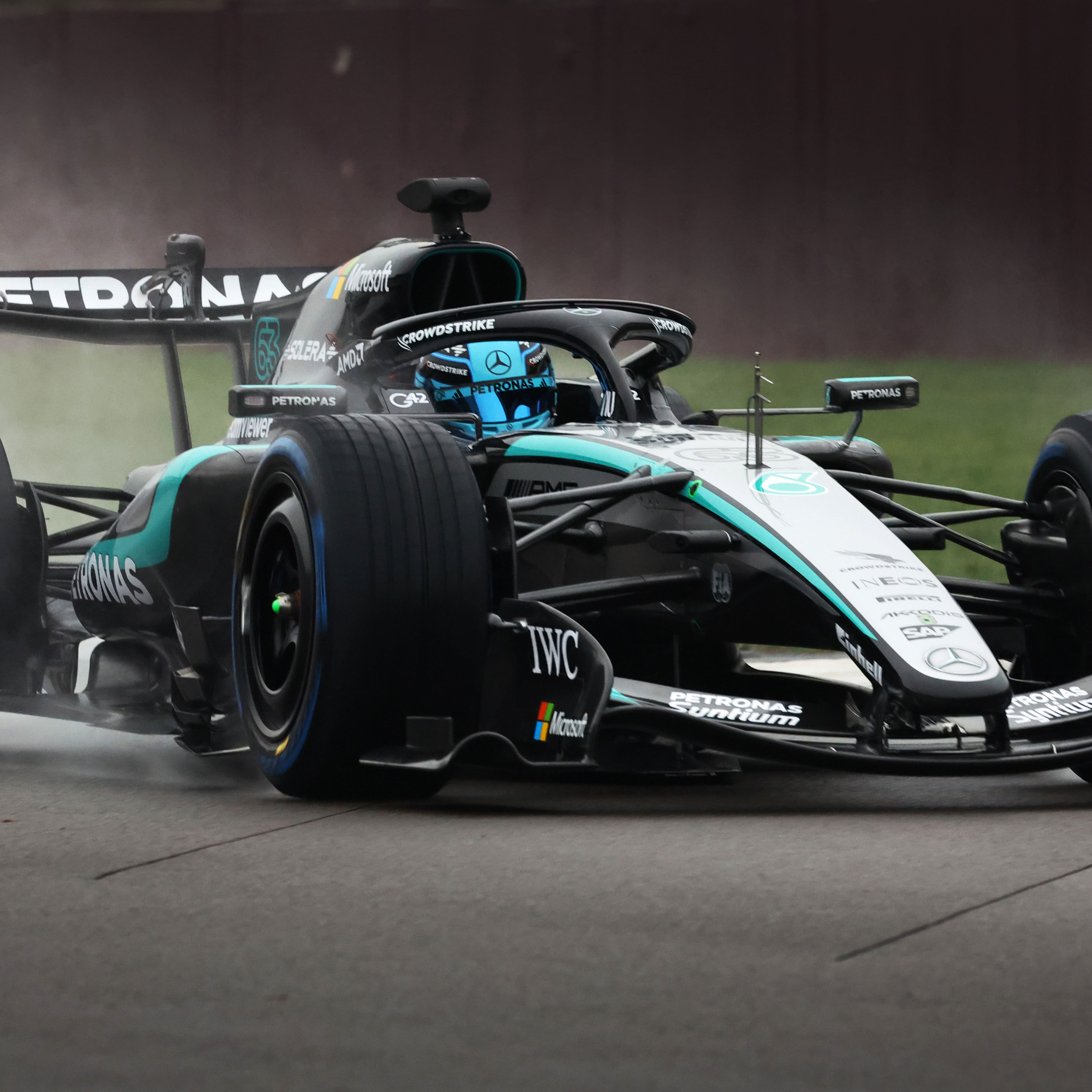
After years of cars growing to the size of small yachts, the 2026 regulations have finally put the grid on a diet. The cars have shed 30kg, the wheelbase has been shortened by 200mm, and the width has narrowed.
On track in Sakhir, the change is visible. The cars look more "darty" into the tight Turn 10, appearing less cumbersome than their predecessors. However, the reduction in downforce (down about 30%) has made them a handful. We’ve seen plenty of "snap oversteer" as drivers grapple with the lack of ground-effect suction, which has been significantly reigned in for this era.
2. Active Aero: The "X" and "Z" Modes
The biggest talking point in the pit lane is the debut of Active Aerodynamics. Instead of a simple DRS flap, both the front and rear wings now shift between two states:
- Z-Mode: High downforce for cornering.
- X-Mode: Low drag for the straights.
Watching the cars transition on the main straight is surreal—it looks like something out of Transformers. While it’s designed to keep top speeds high despite the less powerful internal combustion engines, drivers like Max Verstappen have already noted that the balance shift during the transition is "tricky to trust."
3. The Power Unit Revolution
The 2026 power units are a 50/50 split between the V6 Internal Combustion Engine (ICE) and Electrical Power. With the complex MGU-H (heat recovery) gone, the MGU-K now has to do triple the work.
This has introduced a new tactical layer: Energy Management. In the first test last week, we saw several cars "clipping" (running out of battery) halfway down the straight. The new Manual Override Mode—which provides an extra burst of power to a trailing car—is also being put to the test. It's essentially "push-to-pass" on steroids, and mastering the timing of that deployment will likely decide the first few races of the season.
The 2026 Testing Leaderboard (So Far)
| Team | Standout Moment | Notes |
|---|---|---|
| Mercedes | Kimi Antonelli's flyer | The rookie set a 1:33.669, the fastest time of testing so far. |
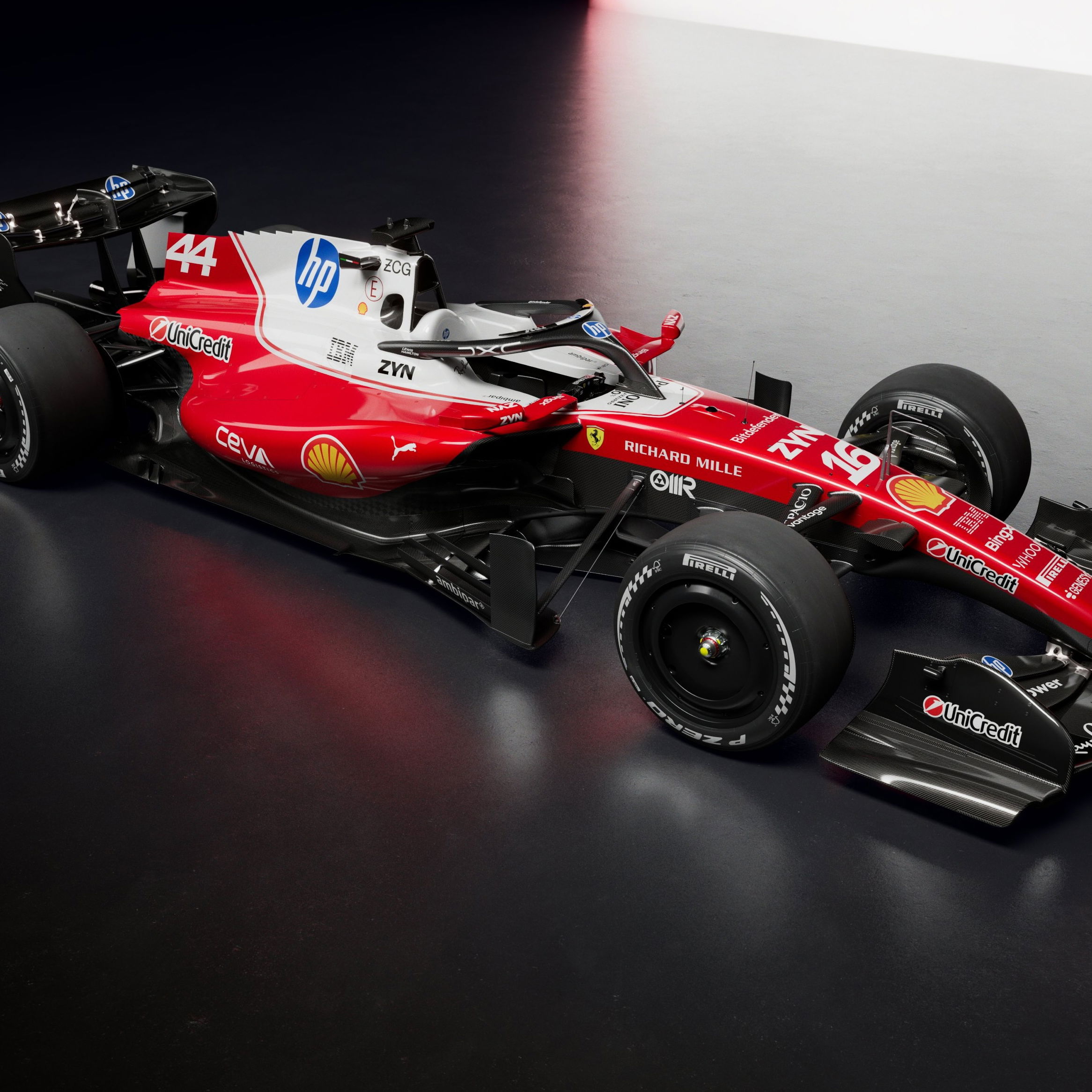
| Ferrari | Radical "Upside-Down" Wing | Lewis Hamilton's new home is experimenting with bold aero. |
| Audi | Reliability focus | The new works team is logging massive laps, prioritizing PU endurance. |
| Cadillac | Initial growing pains | Sergio Perez has struggled with pace, but the car looks stunning. |
| Red Bull Ford | Ominous long runs | Despite Max's complaints about the rules, the RB22 looks glued to the track. |
4. Fresh Faces and New Brands
The grid looks drastically different this year. Audi has officially taken over the Sauber entry, looking professional and surprisingly quick out of the gate. Meanwhile, Cadillac has joined the fray as an 11th team, bringing a distinct American flavor (and Sergio Perez) to the grid.
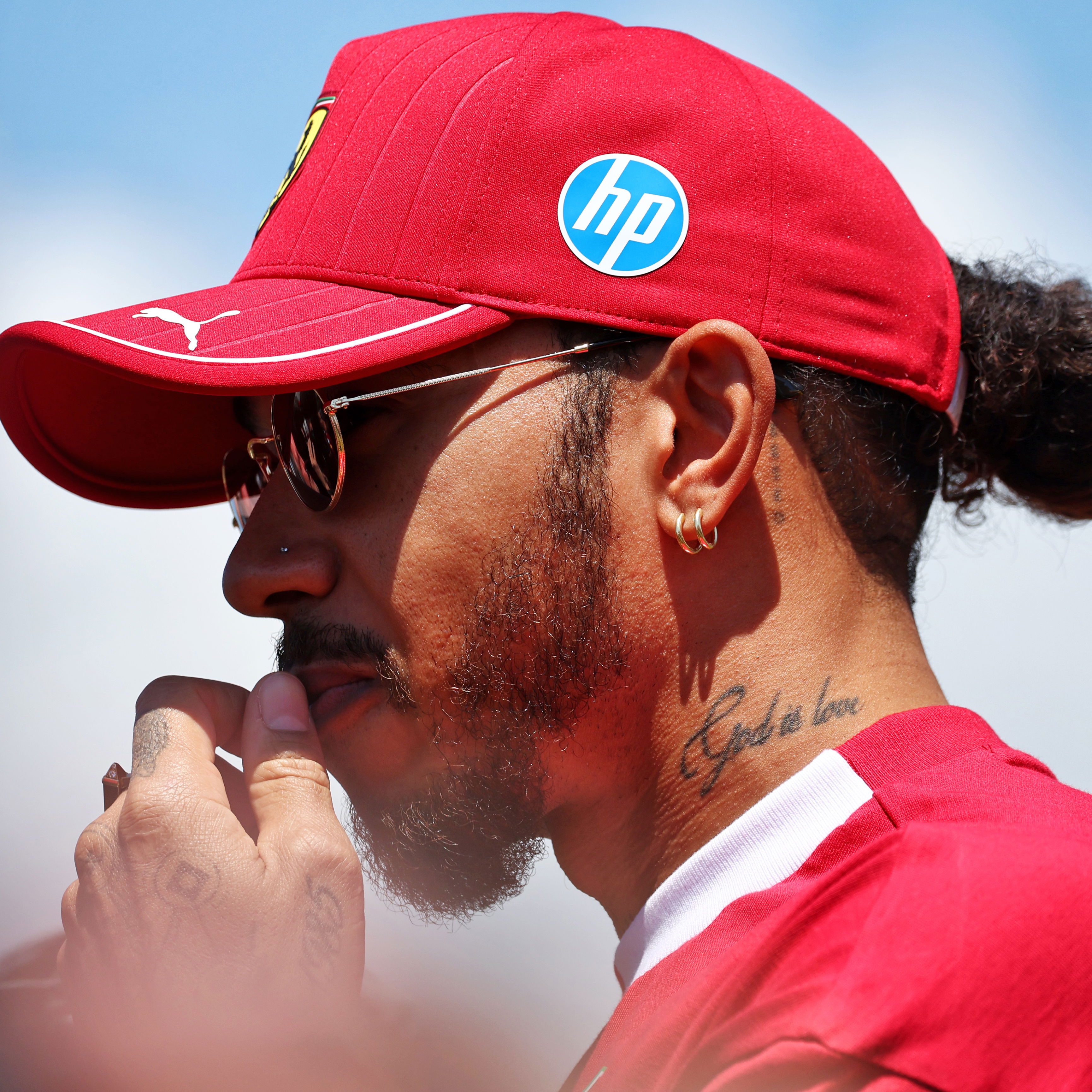
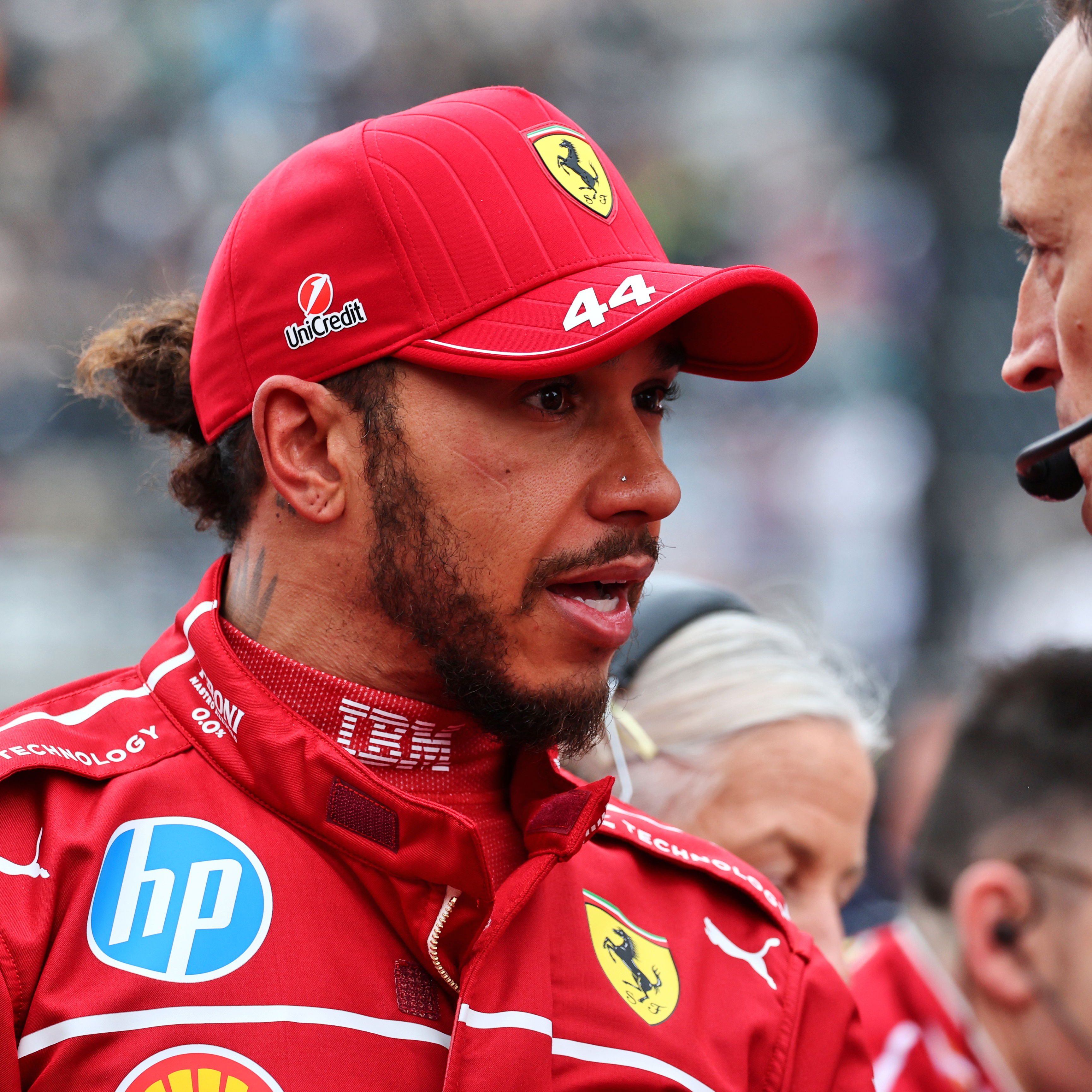
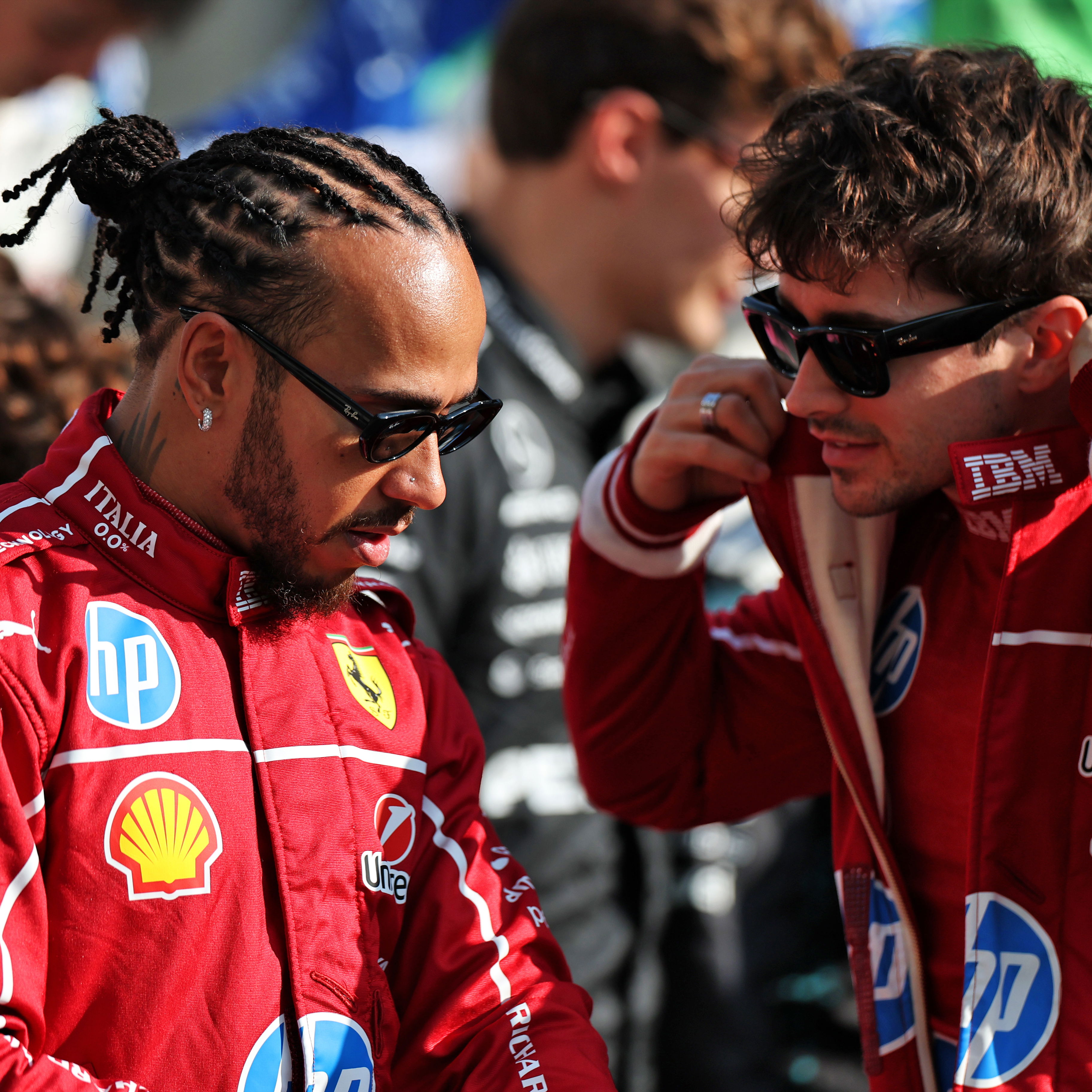
In terms of drivers, all eyes are on Lewis Hamilton in Ferrari red. Seeing the #44 on a scarlet chassis is still a shock to the system, but his lap times suggest the honeymoon period is going very well. Meanwhile, Mercedes’ teenager Kimi Antonelli has proven that the "youth movement" is real, topping the charts early on.
5. What’s Next?
We have one day of testing remaining tomorrow before the teams pack up for the season opener in Melbourne, Australia (March 6-8).
The pecking order is still a mess. While Mercedes and McLaren look like the early favorites, the massive reliance on software and energy deployment means a "silver bullet" map update could change everything overnight.
Final Thought: 2026 isn't just about who has the best engine anymore; it's about who has the smartest software. F1 has officially entered its "High-Tech Hybrid" peak.
Would you like me to dive deeper into the specific technical specs of the new Audi power unit or the details of the Hamilton-Ferrari transition?